


The Alameda Corridor Surcharge (ACS) is a fee applied to containerized cargo moving through the ports of Los Angeles and Long Beach in California. It covers the cost of using the Alameda Corridor, a 20-mile freight rail expressway that connects these two major seaports to the transcontinental rail network near downtown Los Angeles.
The Alameda Corridor was built to streamline cargo movement from the Ports of Los Angeles and Long Beach—two of the busiest gateways for imports from Asia, especially China—to inland distribution hubs across North America.
Before the corridor was built, trains had to use multiple street-level crossings, creating congestion and inefficiency. The Alameda Corridor consolidated rail lines into a high-capacity, grade-separated route, reducing transit time and emissions.
To fund the construction and maintenance of this infrastructure, the Alameda Corridor Transportation Authority (ACTA) introduced a user fee known as the Alameda Corridor Surcharge.
Who Pays It:
The ACS is charged to rail carriers (and ultimately passed on to shippers or importers) for containers transported via the Alameda Corridor.
When It Applies:
The surcharge applies to import and export containers that move by rail between the Ports of Los Angeles/Long Beach and inland rail yards (such as those in Los Angeles, Chicago, or Dallas).
Current Fee (Typical Range):
Around $25 to $35 per container (exact rates vary by rail carrier and container type).
Collection:
The surcharge is included as a line item on freight invoices under “ACS”, “Alameda Corridor Fee”, or “ACTA Surcharge.”
Part of Landed Cost
Importers need to account for ACS when calculating total inland transportation costs from the U.S. West Coast.
Mandatory for Rail Shipments
Any intermodal shipment that utilizes the Alameda Corridor automatically incurs the fee—there’s no alternative rail route without it.
Infrastructure Sustainability
The surcharge funds corridor maintenance and debt repayment, ensuring long-term operational efficiency for port-to-rail transport.
Importers/Exporters: Particularly those moving containers via Los Angeles or Long Beach to inland destinations.
Freight Forwarders and NVOCCs: Must include ACS in rate quotations for accurate pricing.
Rail Carriers (BNSF, Union Pacific): They collect and remit the fees to the Alameda Corridor Transportation Authority.
The Alameda Corridor Surcharge (ACS) is a mandatory infrastructure fee that supports one of the most critical freight routes in the U.S. supply chain. While it adds a modest cost per container, it enables faster, safer, and more sustainable cargo movement between West Coast ports and the U.S. interior—making it an essential part of international logistics planning.
 Container Shipping Lines Announce Rate Hikes and Surcharges for Trans-Pacific RoutesMay 20, 2025In a significant shift for the global shipping industry, major container shipping lines have announced substantial rate increases and peak season surcharges (PSS) for trans-Pacific routes, driven by a...view
 What Is a Forwarder’s Cargo Receipt (FCR)?October 30, 2025A Forwarder’s Cargo Receipt (FCR) is an official document issued by a freight forwarder to the shipper (exporter) confirming that the forwarder has received the goods for shipment and has taken respo...view
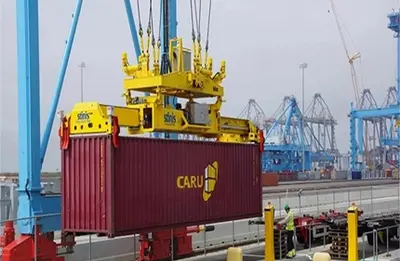 Land and Sea Connections: The Intermodal Dynamics of Freight from China to CanadaMarch 19, 2024In the intricate world of international trade, the connection between land and sea plays a pivotal role in ensuring the seamless flow of goods. This article explores the intermodal dynamics of freight...view
 The Rise of E-Commerce: Impact on China to USA Courier ServiceApril 9, 2025With the popularization of the Internet and the rapid development of science and technology, e-commerce is booming in the world. As an important player in e-commerce, China's rise has not only cha...view
 English
  português
  Call us on:
  Email Us:
  International Mayors Exchange Center, No. 55 Shizhou Middle Rd, Nanshan District, Shenzhen Guangdong China
