




The Harmonized Tariff Schedule of the United States (HTSUS) is compiled and published by the U.S. International Trade Commission (USITC), with regulatory interpretation and enforcement delegated to U.S. Customs and Border Protection (CBP). It is important to note that trade control measures administered by executive agencies—including embargoes, anti-dumping duties, countervailing duties, and other specific trade remedies—constitute a separate regulatory framework and are not integrated into the HTSUS. However, tariffs specifically imposed on Chinese products under Section 301 can be referenced within the HTSUS.
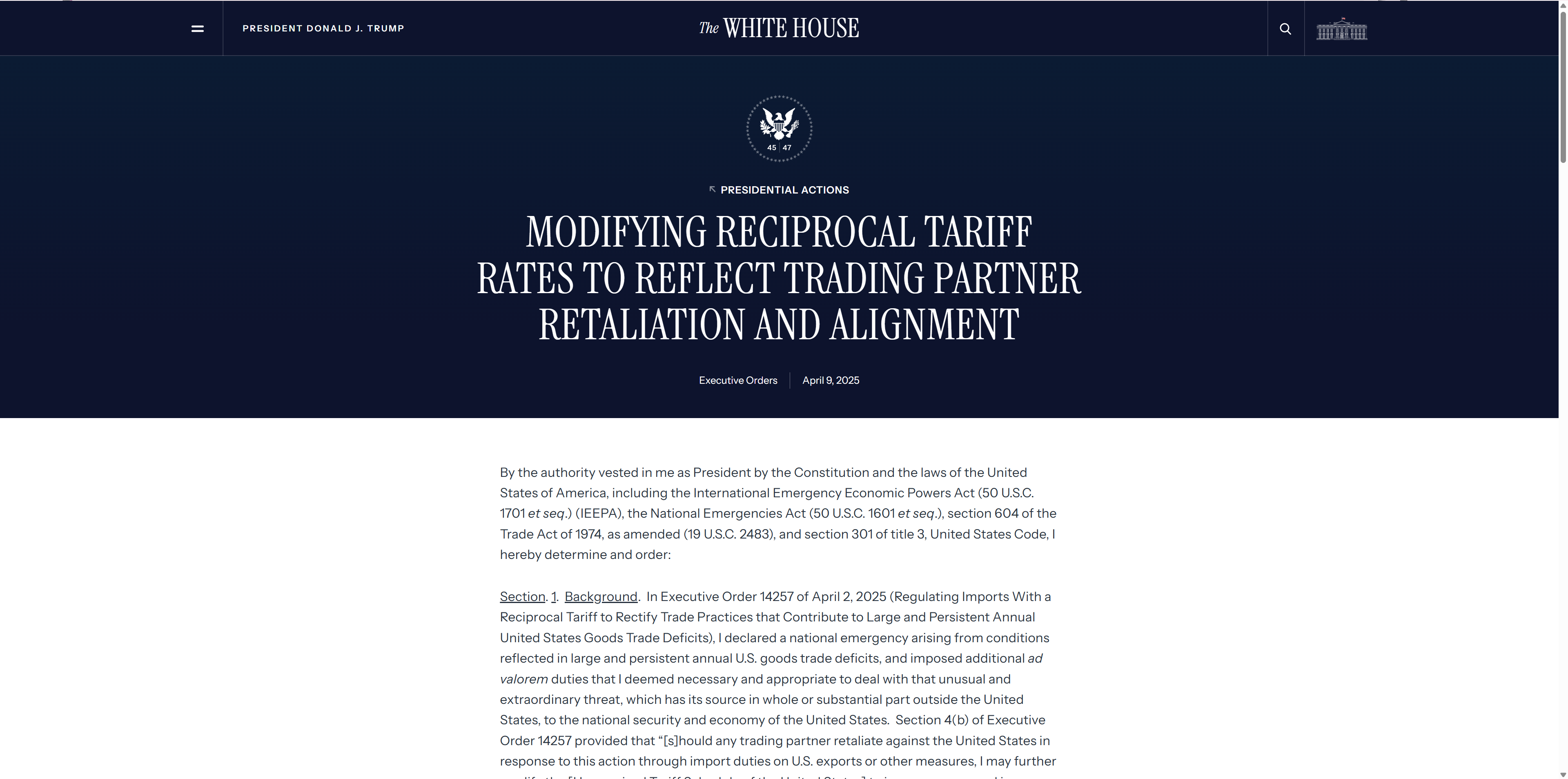
Executive Order “Modifying Reciprocal Tariff Rates to Reflect Trading Partner Retaliation and Alignment” of April 9, 2025, increases the rate of additional duties for the People’s Republic of China from 84% to 125% and suspends the country-specific rates of duty, except for 9903.01.63, until July 9, 2025. Learn more
Importers are legally obligated to classify goods under the correct HTSUS provisions prior to entry into the United States. This classification process requires adherence to a three-tiered analytical framework:
Application of the General Rules of Interpretation (GRIs);
Consideration of statutory annotations at the section, chapter, and subheading levels;
Integration of the Explanatory Notes to the Harmonized System.
The HTSUS adopts a hierarchical classification structure, extending from the World Customs Organization’s Harmonized Commodity Description and Coding System (HS). Key structural elements include:
4-digit and 6-digit codes aligning with HS international standards;
8-digit codes designating unique U.S. tariff lines;
10-digit codes for non-legal statistical reporting.
Classification under this system follows a tiered analytical approach: practitioners must first identify the most specific 4-digit provision applicable to the goods, then progressively apply subcategory rules while incorporating supplemental interpretive regulations established by the United States.
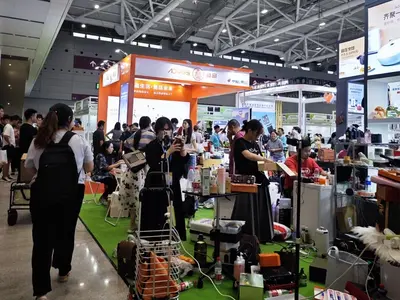 GBATS Guangdong, Hong Kong and Macao Services Trade Exhibition & CCBEC Shenzhen Cross-border E-commerce Exhibition grandly opens with more than 2,000 exhibitors welcoming new business opportunitiesSeptember 18, 2023The opening ceremony of the GBATS Guangdong, Hong Kong and Macao Services Trade Exhibition & Shenzhen Cross-Border E-commerce Exhibition (CCBEC) were held at the Shenzhen International Convention ...view
 What Is Importer Security Filing (ISF)?September 28, 2025The Importer Security Filing (ISF), also known as the “10+2” rule, is a U.S. Customs and Border Protection (CBP) requirement that applies to all cargo being imported into the United States by ocean ...view
 What Are Warehousing Services?October 30, 2025Warehousing services refer to the storage, management, and handling of goods in a designated facility before they are distributed or shipped to their final destination. These services are a crucial pa...view
 Understanding the CIP Incoterm: Carriage and Insurance Paid toMay 30, 2025The CIP (Carriage and Insurance Paid To) Incoterm is one of the 11 internationally recognized trade terms defined by the International Chamber of Commerce (ICC). It outlines the responsibilities of bu...view
 English
  português
  Call us on:
  Email Us:
  International Mayors Exchange Center, No. 55 Shizhou Middle Rd, Nanshan District, Shenzhen Guangdong China
