


The Importer Security Filing (ISF), also known as the “10+2” rule, is a U.S. Customs and Border Protection (CBP) requirement that applies to all cargo being imported into the United States by ocean vessel. It was introduced in 2009 to enhance supply chain security and allow CBP to assess risk before goods arrive at U.S. ports.
If you are importing from China (or any country) to the U.S. by sea, ISF filing is mandatory.
10 data elements from the importer (to be filed by the importer or their customs broker):
Seller
Buyer
Importer of Record Number
Consignee Number(s)
Manufacturer (or Supplier)
Ship to Party
Country of Origin
Commodity Harmonized Tariff Schedule (HTSUS) number
Container stuffing location
Consolidator (stuffer)
2 data elements from the carrier:
Vessel stow plan
Container status messages
At least 24 hours before cargo is loaded onto the vessel at the foreign port of origin (e.g., Shanghai, Shenzhen, Ningbo when shipping from China).
Filed electronically through CBP-approved systems (usually by a licensed customs broker or freight forwarder).
Fines/Penalties: Up to $5,000 per violation.
Cargo Holds/Delays: Shipments may be held at the port, inspected, or refused entry.
Increased Costs: Storage, demurrage, and inspection fees can add up quickly.
Work with a Licensed Customs Broker – They ensure timely and accurate filings.
Coordinate Early with Suppliers – Make sure manufacturers in China provide required data well before cargo is loaded.
Double-Check Data Accuracy – Incorrect details can trigger penalties even if the filing is on time.
Keep Compliance Records – Maintain ISF records for at least five years as required by CBP.
In short: ISF is a mandatory pre-arrival filing for all ocean imports into the U.S. from China or elsewhere. Getting it right means smoother customs clearance, fewer delays, and lower risk of penalties.
 The U.S. Import Bonds (Customs Bond)May 25, 2024Successfully to import products into the USA is a complex multi-step process. Customs clearance is very important part of process. When we comes to customs clearance, we have to refer to bonds. Custom...view
 Forty-foot Equivalent Unit (FEU)July 2, 2025What Is a Forty-foot Equivalent Unit (FEU)?A Forty-foot Equivalent Unit (FEU) is a standard measure in container shipping that represents the size of a 40-foot shipping container. It’s commonly used ...view
 Canada Post Strike 2025: CUPW Issues 72-Hour NoticeMay 21, 2025May 21, 2025 – The Canadian Union of Postal Workers (CUPW) has issued a 72-hour strike notice to Canada Post, signaling a potential labor disruption as early as midnight on Friday, May 23, 2025. This...view
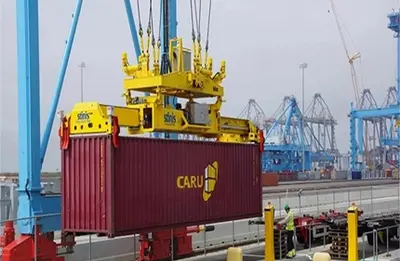 Land and Sea Connections: The Intermodal Dynamics of Freight from China to CanadaMarch 19, 2024In the intricate world of international trade, the connection between land and sea plays a pivotal role in ensuring the seamless flow of goods. This article explores the intermodal dynamics of freight...view
 English
  português
  Call us on:
  Email Us:
  International Mayors Exchange Center, No. 55 Shizhou Middle Rd, Nanshan District, Shenzhen Guangdong China
