


Blind shipping is a logistics practice where the shipper’s identity and address are hidden from the final consignee (the buyer). Instead, the shipment shows the seller’s customer or distributor as the shipper of record, creating the impression that the goods are coming directly from them rather than the original supplier or manufacturer.
This strategy is widely used in dropshipping, distribution, and wholesale supply chains.
Supplier ships goods directly to the end customer.
The shipping documents and labels do not display the supplier’s details.
Instead, the buyer’s name, warehouse, or distributor is shown as the shipper of record.
Often, freight forwarders or 3PLs (third-party logistics providers) facilitate blind shipping by generating neutral documents (bills of lading, invoices) and controlling the flow of information.
Protect Supplier Information
Prevents the end customer from bypassing distributors and going straight to the source.
Branding Control
Ensures that only the distributor’s or reseller’s brand is visible on the shipment.
Streamlined Supply Chains
Goods move directly from the factory to the customer without stopping at the distributor’s warehouse.
Drop Shipping: Retailer never handles inventory; the supplier ships directly to the customer, often branded under the retailer’s name.
Blind Shipping: Focuses on hiding the true shipper’s identity while allowing distributors or resellers to maintain customer loyalty.
Documentation Errors: If blind bills of lading are mishandled, customs authorities may flag shipments.
Trust Issues: Requires strong relationships between suppliers, freight forwarders, and distributors.
Compliance: Must still meet customs and legal requirements even when disguising shipper details.
Blind shipping is a valuable logistics tool for businesses that want to protect their supply chain relationships and brand identity while still leveraging direct shipments from China (or other origins) to global customers.
 US-UK Tariff Reduction Agreement: How to Optimize Your China to USA/UK Shipping in 2025May 8, 2025The global trade landscape is shifting, and businesses importing from China to the USA and UK are poised to benefit. On May 8, 2025, the United States and the United Kingdom are expected to announce a...view
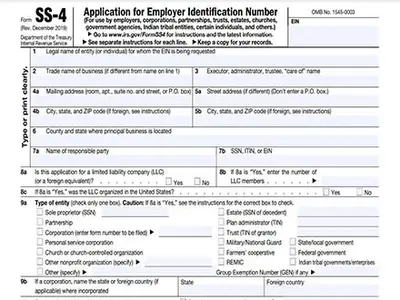 Why do I need an IRS number for importing goods into the US?August 25, 2023When importing into the US, you will be asked for providing an IRS or EIN number for the ultimate consignee. If you have hired a forwarder company to deal with the shipping tasks, experienced forwarde...view
 How to Import and Ship Clothes From China to the UKApril 28, 2025When it comes to fashion, timing is everything — and if you're planning to import clothes from China to the UK, you’re about to unlock huge opportunities! But how do you get it right without blo...view
 What Is the Automated Manifest System (AMS)?September 28, 2025The Automated Manifest System (AMS) is an electronic information transmission system managed by the U.S. Customs and Border Protection (CBP). It was created to speed up cargo processing and improve se...view
 English
  português
  Call us on:
  Email Us:
  International Mayors Exchange Center, No. 55 Shizhou Middle Rd, Nanshan District, Shenzhen Guangdong China
